What Should You Check After Bed Bug Bites?
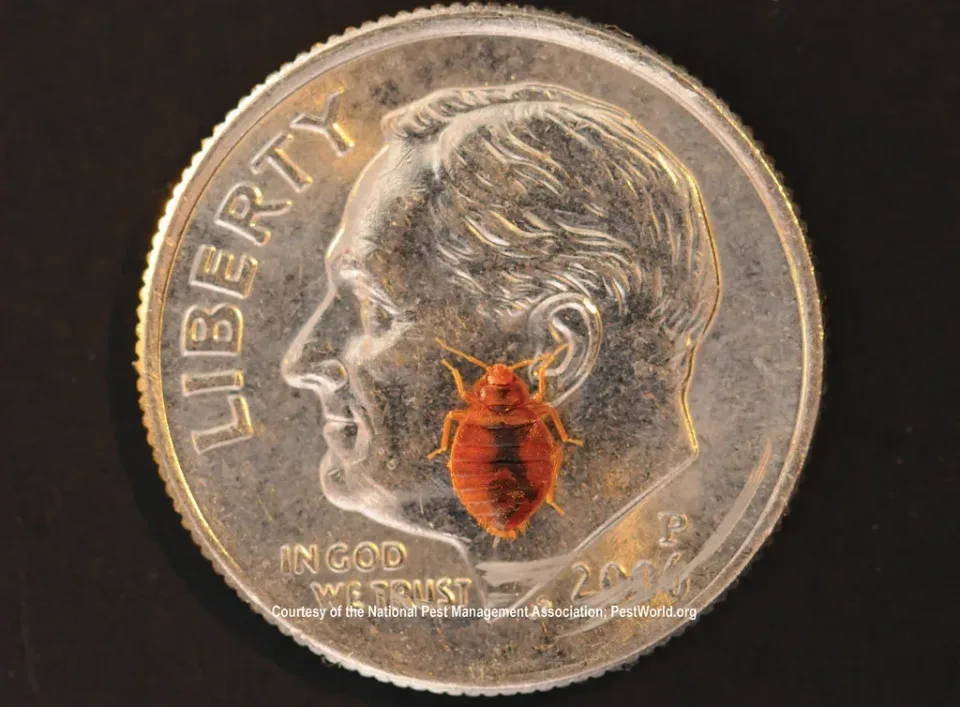
Bed bug bites after an overnight stay do not confirm an infestation, so inspect before treating your home. Check mattress seams, the bed frame, and luggage for live insects or dark spotting, then keep bags away from sleeping areas. Don’t spray on a hunch.
A New Hampshire property owner who suspects bugs in a rental needs an inspection and a clear estimate before choosing treatment. If you are comparing a room-scale heat treatment, ask what rooms and preparation the quote covers; a visit to the property helps establish the actual scope.
For homeowners returning from a trip near Cannon Mountain Aerial Tramway, the same careful check applies: inspect belongings before placing them on a bed. We can document signs and explain the next step.
What do bites and bed signs tell you?
Bites alone are not a reliable bed bug identification. People react differently, and skin marks can have other causes, so look for physical evidence before deciding to treat.
Check mattress piping, bed-frame joints, headboards, and the seams of upholstered furniture with a flashlight. Look for live insects, shed skins, eggs, or small dark spotting near places where someone sleeps.
Keep the search focused. A homeowner who sees marks after visiting the Currier Museum of Art in Manchester should still inspect the room rather than assume the museum or a particular outing caused them.
The clue that matters is evidence at home, not where a person has been. Photograph anything suspicious and note its location; that helps an inspection distinguish a confirmed finding from a guess.
Should you treat the whole home right away?
Usually, no. Start by limiting movement between the suspected sleeping area and other rooms: keep luggage closed, avoid carrying loose bedding through the house, and don’t move furniture to another bedroom. Washing and drying suitable travel clothing can be a reasonable precaution, but follow garment care instructions and keep cleaned items contained.
Repeated freeze-thaw cycles can open foundation cracks, but that is not evidence of bed bugs; it is a separate building condition. Don’t confuse a general pest entry concern with the signs needed to establish a bed bug problem.
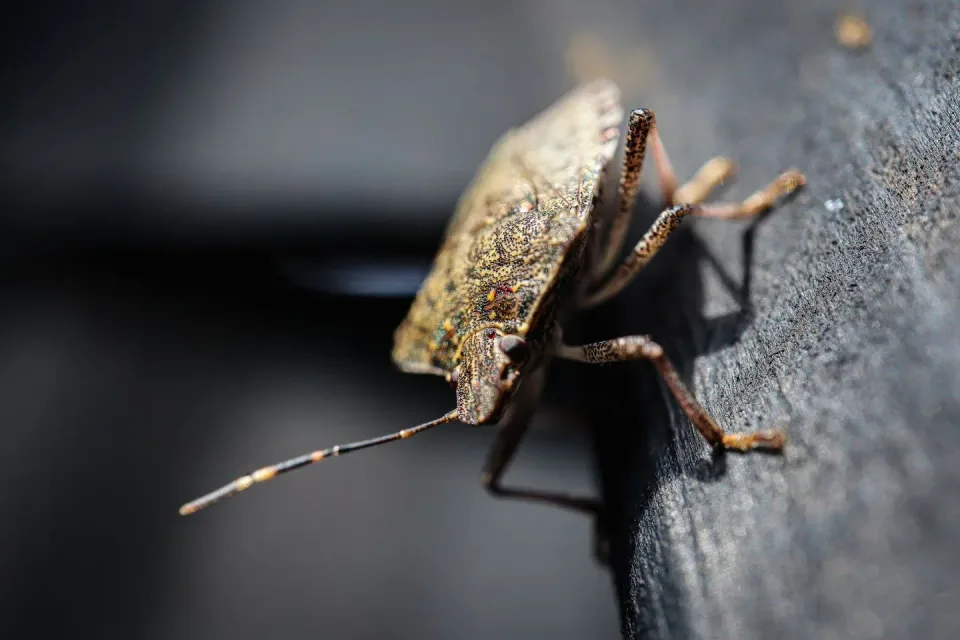
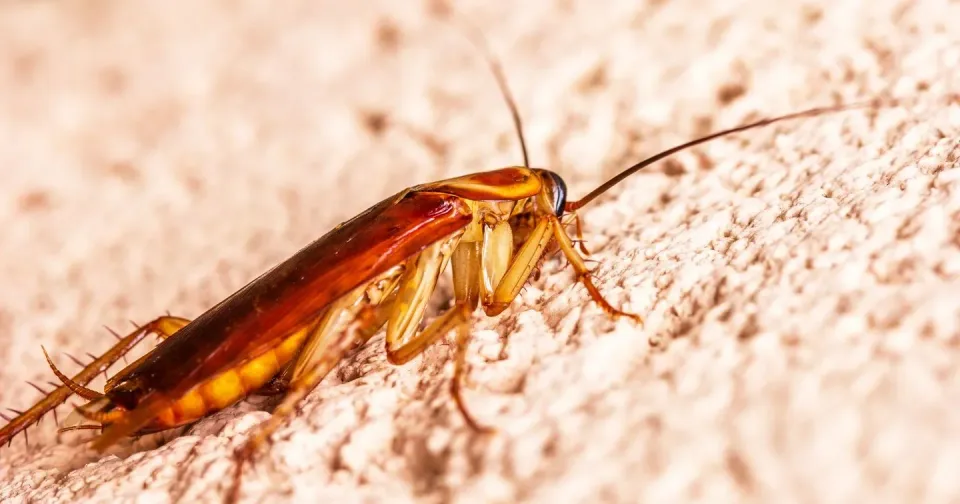
If you find an insect, capture it safely or take a clear close-up photo. Avoid applying a household pesticide before identification, since treatment choices and label directions matter.
When is a professional inspection useful?
Call for an inspection when you find a suspected insect, spotting or shed skins near a bed, or signs in more than one sleeping area. This is especially useful in a rental property, where an owner may need a written account of what was inspected and a treatment estimate before arranging access. We check likely harborage points and explain what evidence supports the recommendation.
An inspection can also keep a small concern from turning into unnecessary whole-room treatment. For instance, a traveler returning from Franconia Notch State Park can inspect luggage and sleeping areas first; if there is no physical evidence, treating every room may not be justified. If there is evidence, we can discuss the relevant treatment area and preparation instead of guessing.
DIY checks work best before treatment
DIY is sensible for inspection and containment: examine seams, keep bags closed, document findings, and avoid moving potentially affected items. Call a professional when you find likely bed bugs, cannot identify an insect, or need a treatment plan for a rental or multiple rooms. The practical line is clear: check and record signs yourself, but don’t select pesticides or a heat treatment without confirming the problem and scope.
At Lake Winnipesaukee, seasonal stays can mean visitors bring luggage into a home; that possibility supports a routine arrival check, not an assumption of infestation. In Concord, a visit to the McAuliffe-Shepard Discovery Center likewise does not establish a source. New Hampshire Pest Pros bases recommendations on what we find in the home and explains preparation and follow-up in plain language.
Which Bed Bug Check Is Right After Travel?
Choose an inspection or treatment step based on evidence, not just a bite. Start small. Concord Main Street is a useful reminder that daily travel and errands are not proof of where an insect came from; inspect the sleeping area first. For visitors returning from Hampton Beach State Park, keep luggage contained until it has been checked.
| Option | Best for | Key detail |
|---|---|---|
| Visual inspection | First check after travel | Examine mattress seams, frame joints, and headboard |
| Containment | Suspected luggage exposure | Keep bags closed and apart from sleeping areas |
| Professional inspection | Suspected insects or repeated signs | Confirms findings and treatment scope |
| Room-scale heat treatment | Confirmed room infestation | Room-scale; preparation and access affect the plan |
Market Square, Portsmouth is another familiar destination, but the location visited cannot identify an infestation. Physical evidence at home should guide the next step.
How to Prepare for a Bed Bug Inspection
-
Record the concern: Note when bites appeared and which beds or rooms were used; bites alone do not identify the cause.
-
Inspect carefully: Check mattress seams, the bed frame, and headboard with a flashlight, and photograph any suspected insect or spotting.
-
Contain belongings: Keep travel bags closed and away from beds while you arrange an inspection; do not carry loose bedding room to room.
-
Share access details: Tell the inspector which sleeping areas and furniture were used, and make relevant spaces accessible. Heavy rainfall can flood crawlspaces and basements, so mention moisture concerns if they affect access or the inspection area.
-
Plan around weather: Nor’easters can bring coastal wind, rain, and snow, so confirm practical access before the appointment rather than leaving belongings or doors exposed.
-
Follow the treatment plan: Before work begins, confirm preparation instructions and any product-label re-entry interval; keep occupants out for the required period.
Ready to Get Help Checking for Bed Bugs?
Bites after a stay are a reason to inspect, not a reason to spray every room. Look for physical signs, contain luggage, and ask for an evaluation if you find a suspected insect or cannot tell what you are seeing. Coastal Portsmouth experiences maritime temperature moderation, but that does not change the basic need to identify evidence before choosing treatment.
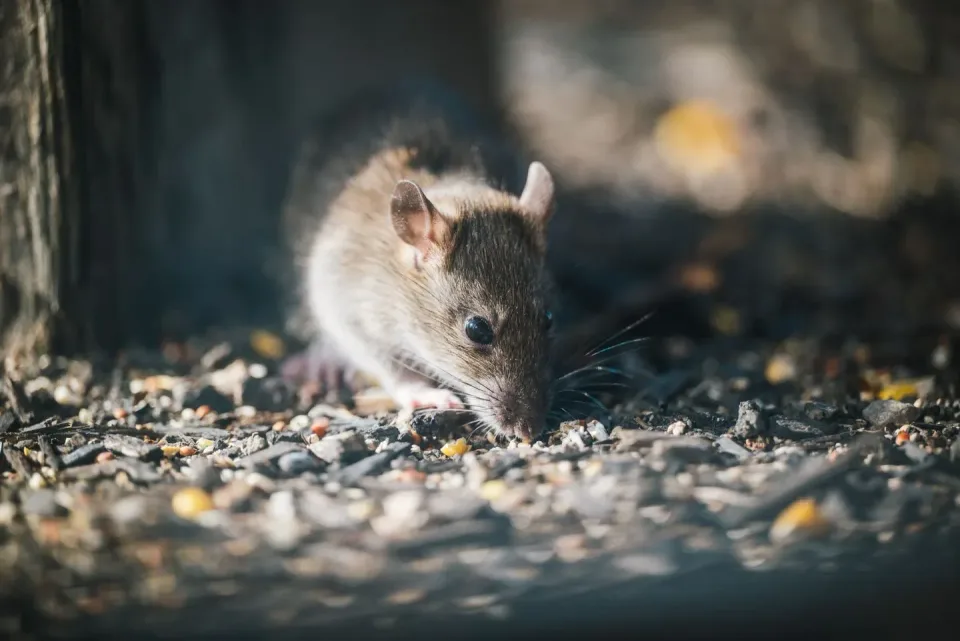
Fall cooling drives mice toward buildings; that is a separate seasonal pest issue and should not be mistaken for bed bug evidence. Near Portsmouth Harbor and the Piscataqua River, our crew can inspect the reported sleeping areas and explain a sensible plan. Contact New Hampshire Pest Pros at (855) 681-0299 or review our Bed Bug Treatment service to arrange the next step.