Is Bedroom Wall Scratching in
Portsmouth from Mice or Pipes?
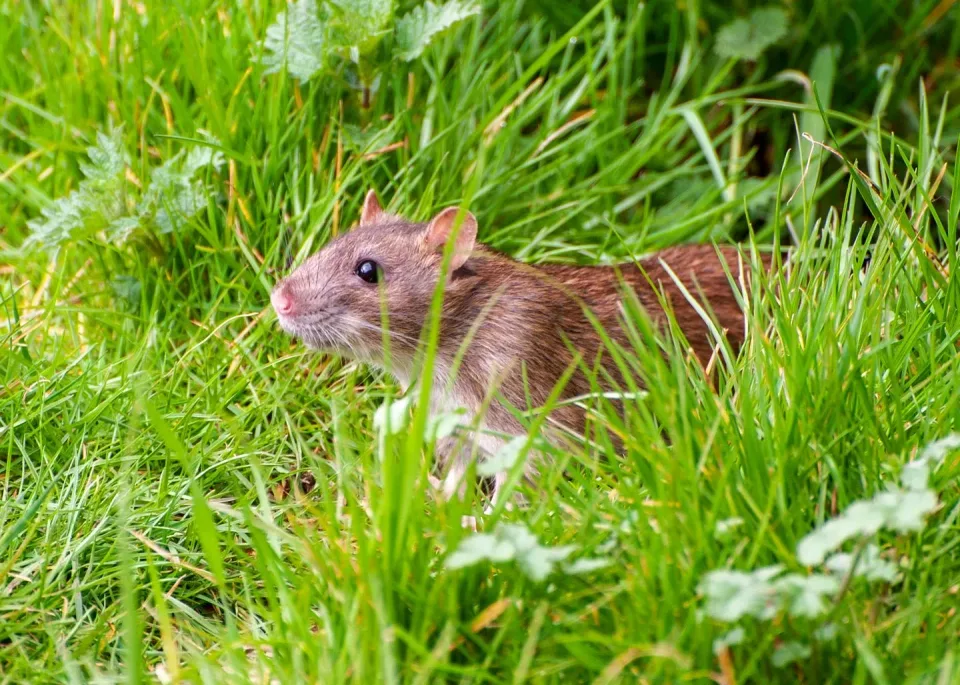
Scratching inside a Portsmouth bedroom wall may come from mice or rats, but pipes and other building sounds can mimic animal movement. Notice when the noise happens and whether you see droppings, gnaw marks, or food damage before deciding what to do. Don’t open the wall yet.
We start by checking signs around the room and likely entry areas; a small gap or fresh droppings can point toward rodents, while noises tied to water use may suggest plumbing. A question we hear in pest calls is, “I want it taken out right away.
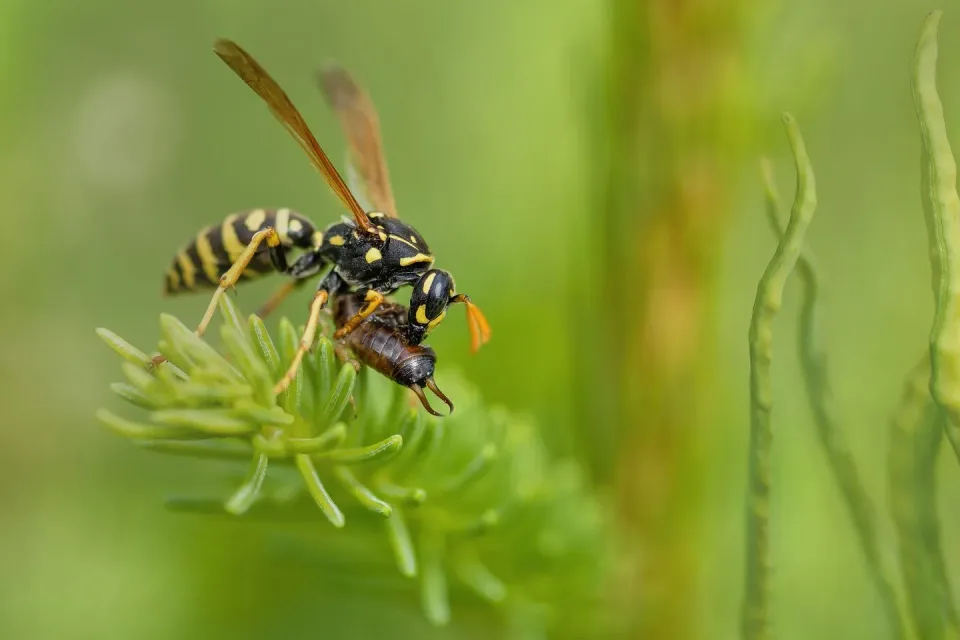
I already got stung ones.” That urgency describes a different problem, such as wasps, and should not be mistaken for proof that scratching means rodents. Another caller says, “Because we are getting ate up,” which signals bites and a need to identify the pest before choosing treatment.
Prescott Park gives Portsmouth residents a familiar point of reference, but the sound and evidence inside your home guide the inspection. Note the timing, check nearby surfaces, and ask for an inspection if signs persist.
What does scratching in a bedroom wall suggest?
Scratching that repeats at night or moves along a wall can indicate an animal traveling through a cavity, but sound alone cannot confirm the species. Look for droppings, greasy rub marks, gnawed material, or torn insulation near accessible edges. If the noise occurs only while a tap runs, a toilet refills, or heat starts, plumbing or heating components deserve attention too.
Fall cooling drives mice toward buildings in search of shelter, so a new nighttime sound during that season deserves a careful check. In Portsmouth, coastal maritime moderation does not remove the need to inspect for entry points as weather changes.
Our crew checks evidence and likely access before recommending traps or exclusion. Near Market Square, older buildings and concealed wall spaces can make a sound hard to locate; the inspection should connect it to physical signs, not guess from the noise alone.
Can Portsmouth landmarks help explain the inspection?
They help orient the service area, not diagnose a wall. Homes near Strawbery Banke Museum may include older construction details where gaps around utility penetrations, trim, or foundations deserve a close look. The Wentworth-Coolidge Mansion is another Portsmouth reference point; its historic setting reminds us that building materials and layouts differ from one property to another.
Heavy rainfall can flood crawlspaces and basements, so check those lower areas for dampness, openings, and signs of animal activity rather than focusing only on the bedroom wall. Water damage can also complicate access and hide the route pests use. We document what we find and explain whether the evidence supports rodent activity or points toward another trade, such as a plumber.
When should you call a pro instead of opening the wall?
If you find droppings, gnawing, or repeated sounds in several locations, start with a pest inspection rather than cutting into drywall. A small opening can expose wiring or plumbing, and patching the wall before finding an entry route leaves the cause unresolved. If the sound closely follows water or heating use and there are no pest signs, contact a plumber to assess the system.
For suspected mice, Mouse Control can address indoor activity and the conditions allowing entry. For heavier sounds or larger suspected rodents, Rat Control may be the more relevant assessment.
Our field practice is to check the perimeter and accessible attic or crawlspace before setting devices; a trap in the bedroom without that search can miss the route entirely. You can also read about mouse droppings beneath a kitchen sink to understand why evidence in another room matters.
What should a Portsmouth inspection establish?
A useful inspection distinguishes signs from assumptions. We look at wall edges, nearby food storage, utility penetrations, basement or crawlspace access, and the exterior where conditions permit. We then explain whether the evidence fits mice, rats, or a non-pest source and outline a practical next step.
Canobie Lake Park in Salem is a regional reference, but it does not tell us what is inside a Portsmouth wall; the property itself must be checked. If rodent signs are present, we focus on removing current activity and identifying access for exclusion.
If the evidence instead tracks plumbing or heating cycles, we will say so rather than treating an unconfirmed pest. That distinction saves unnecessary work and helps you get the right professional involved.
Which Wall-Scratching Clue Should You Check First?
A Portsmouth homeowner hearing movement at night should compare the sound with visible evidence and household activity before choosing a remedy. The Portsmouth Harbor and Piscataqua River help locate the service area, but the signs at the property determine the approach.
Cold, snowy winters can push rodents toward indoor shelter, so unexplained noises then merit a perimeter check. Compare the possibilities:
| Option | Best for | Key detail |
|---|---|---|
| Mouse trapping and exclusion | Droppings, gnawing, or confirmed mouse activity | A mouse can enter through a gap about 1/4 inch wide; trapping removes indoor rodents, while exclusion blocks entry. |
| Rat control and monitoring | Larger suspected rodents or recurring activity | Rat entry gaps can be about 1/2 inch; monitoring helps track activity and follow-up needs. |
| Plumbing assessment | Noise tied to taps, heating, or drainage | A plumber can check pipes and building systems when pest evidence is absent. |
At Cannon Mountain Aerial Tramway, winter conditions are a very different scale from a Portsmouth home, but seasonal shelter-seeking still makes rodent clues worth checking. Ask what evidence supports the recommended option.
How Do You Prepare for a Wall-Scratching Inspection?
A few notes can make an inspection more useful. Record when the sound starts and what household systems are running. Keep access clear.
-
Log the sound: Note the room, time, duration, and whether water or heat was being used.
-
Check visible clues: Look for droppings or gnawing without opening the wall or disturbing suspected nesting material.
-
Clear access: Make the basement, attic, and utility spaces available so the inspection can follow possible routes.
-
Secure the work area: Keep pets and children away from active inspection or treatment areas, and identify play spaces when scheduling.
-
Ask for findings: Request a clear explanation of observed signs, proposed treatment, and any follow-up plan.
The Palace Theatre in Manchester is a useful regional landmark, but your home’s access points and evidence set the work plan. Summer thunderstorms may disturb outdoor nests, so mention recent changes in exterior activity if you have noticed them.
Residents familiar with the Squam Lakes Natural Science Center know wildlife can move through varied habitats; indoors, though, the inspection should identify the actual source rather than assume an animal. In high-snowfall areas around White Mountain National Forest, accumulated snow can affect exterior access, so tell the crew if the foundation is covered. Prepare the route and share your notes before the visit.
Ready to Get Help With Portsmouth Wall Scratching?
If scratching keeps returning or you find droppings near a bedroom, pantry, or utility space, arrange an inspection before opening the wall. The next step is to identify the source, then address the route or system causing the noise. We explain what we see and recommend a plan based on the evidence, with follow-up when activity calls for it.
Construction can make timing important: one caller needs the issue handled so workers can continue. Let us know about scheduled work when you book, so we can consider access and sequencing.
Currier Museum of Art in Manchester, Franconia Notch State Park, and Lake Winnipesaukee are familiar regional destinations, but no landmark can replace checking the property itself. Contact New Hampshire Pest Pros to discuss the sounds and arrange an inspection, or review our Rodent Exclusion service if an entry route is suspected.